
Translate
Translate

Stories

Eat Shop Play business owners come from every corner of Los Angeles. Here’s what they have to say.


Playhouse Village

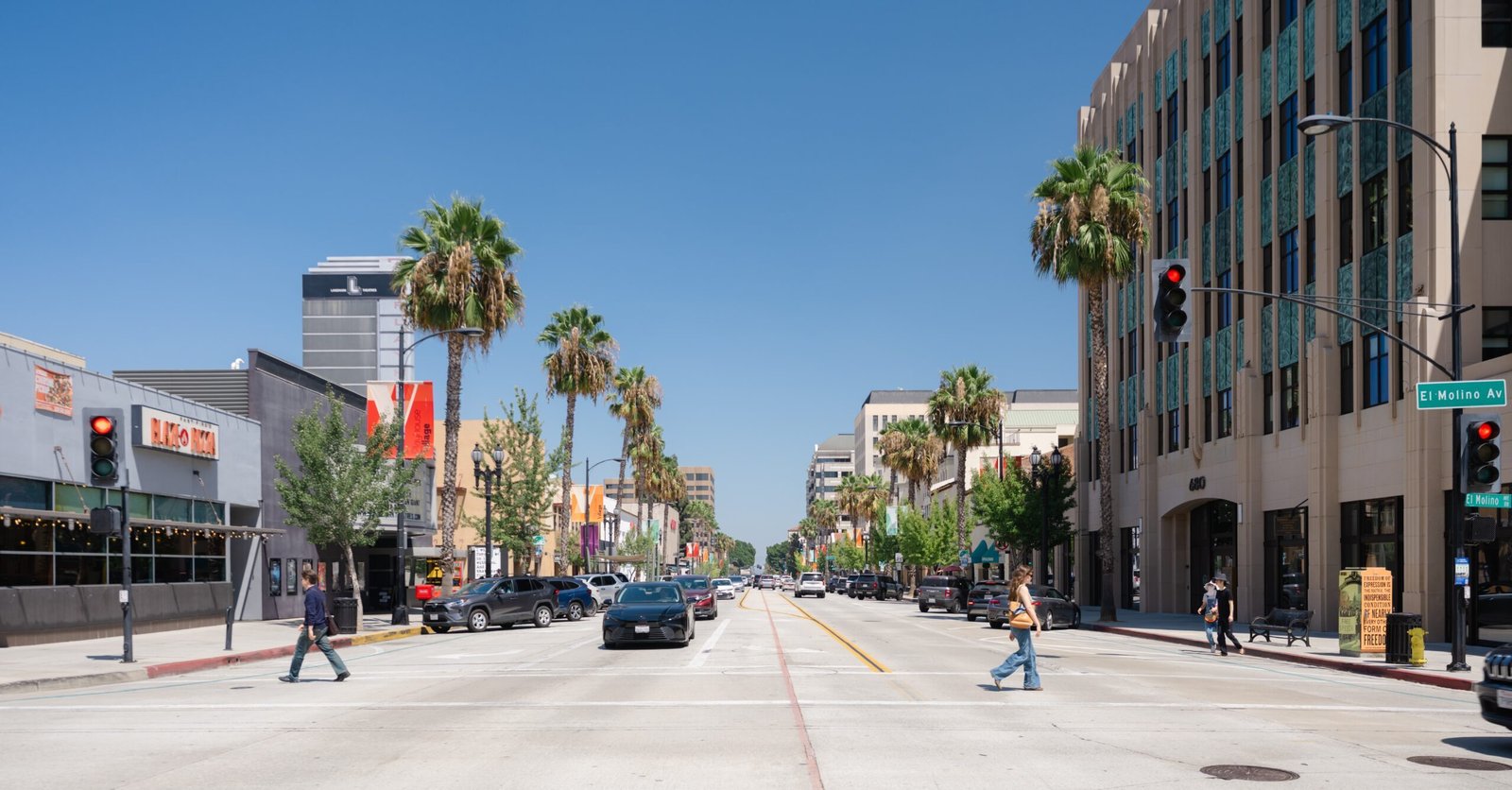
Colorado Boulevard has carried Rose Parade floats since 1929 and Route 66 traffic since 1926, so it’s easy to assume this stretch has no surprises left. Then you meet Rusty Gordon, who still runs the record shop his father opened in 1956 — the one that’s outlasted Tower, Virgin, and nearly every other record shop in Los Angeles — or the vintage store where a customer’s find once caught the eye of Rihanna’s stylist. Twelve stops, one boulevard, and every one has a story worth stopping for.
East San Fernando Valley

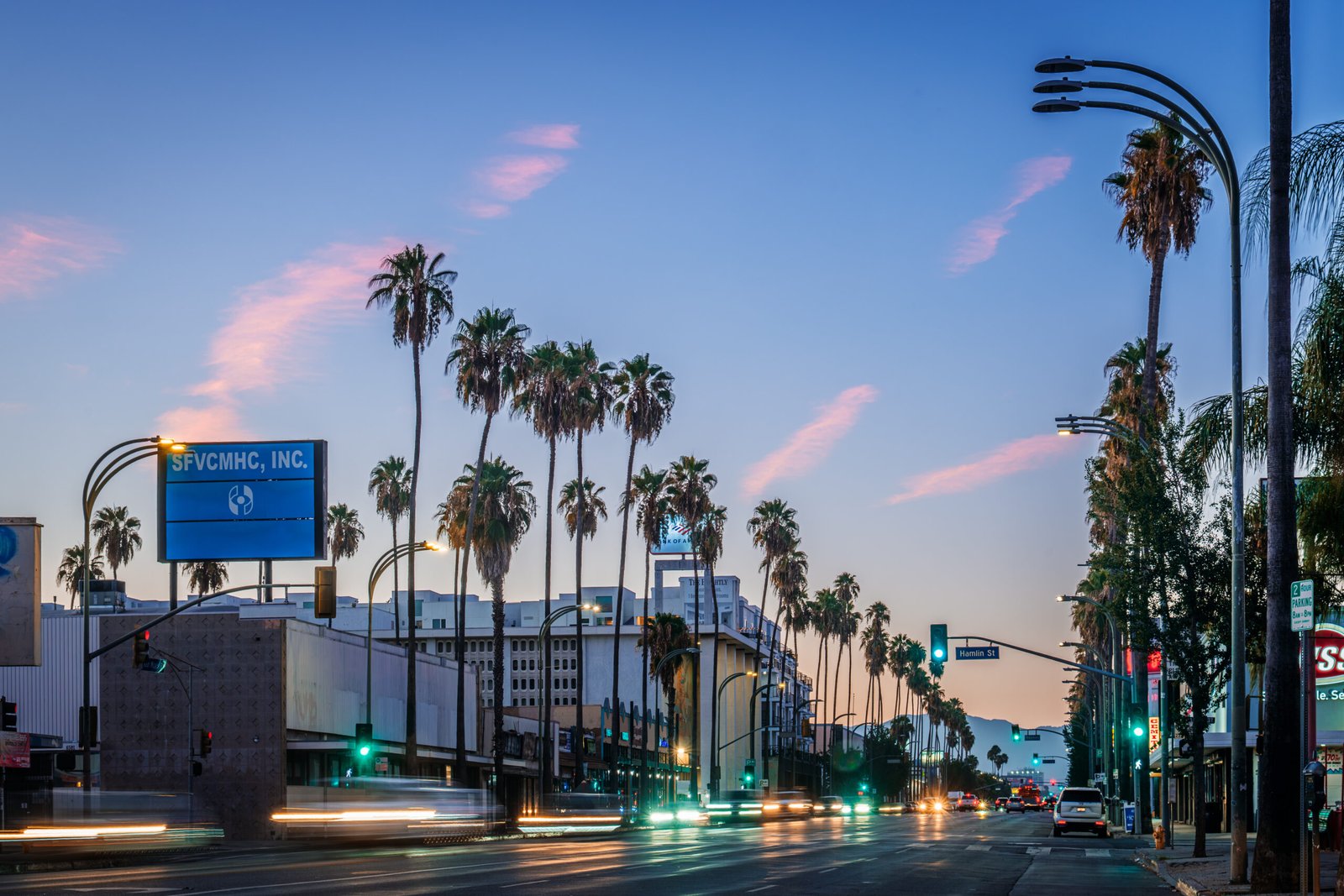
In the 1970s, Van Nuys Boulevard was one of the Valley’s legendary cruising strips — carloads of teenagers circling from Bob’s Big Boy to Roscoe Boulevard just to see and be seen, a scene famous enough to inspire its own movie. The cars have mostly moved on, but the boulevard still draws a crowd, just for tacos, tortas, and horchata cold brew instead. This is the block that’s kept its regulars for decades, now getting ready to meet a whole new one.

Unexpected Stops Around Wilshire/La Cienega

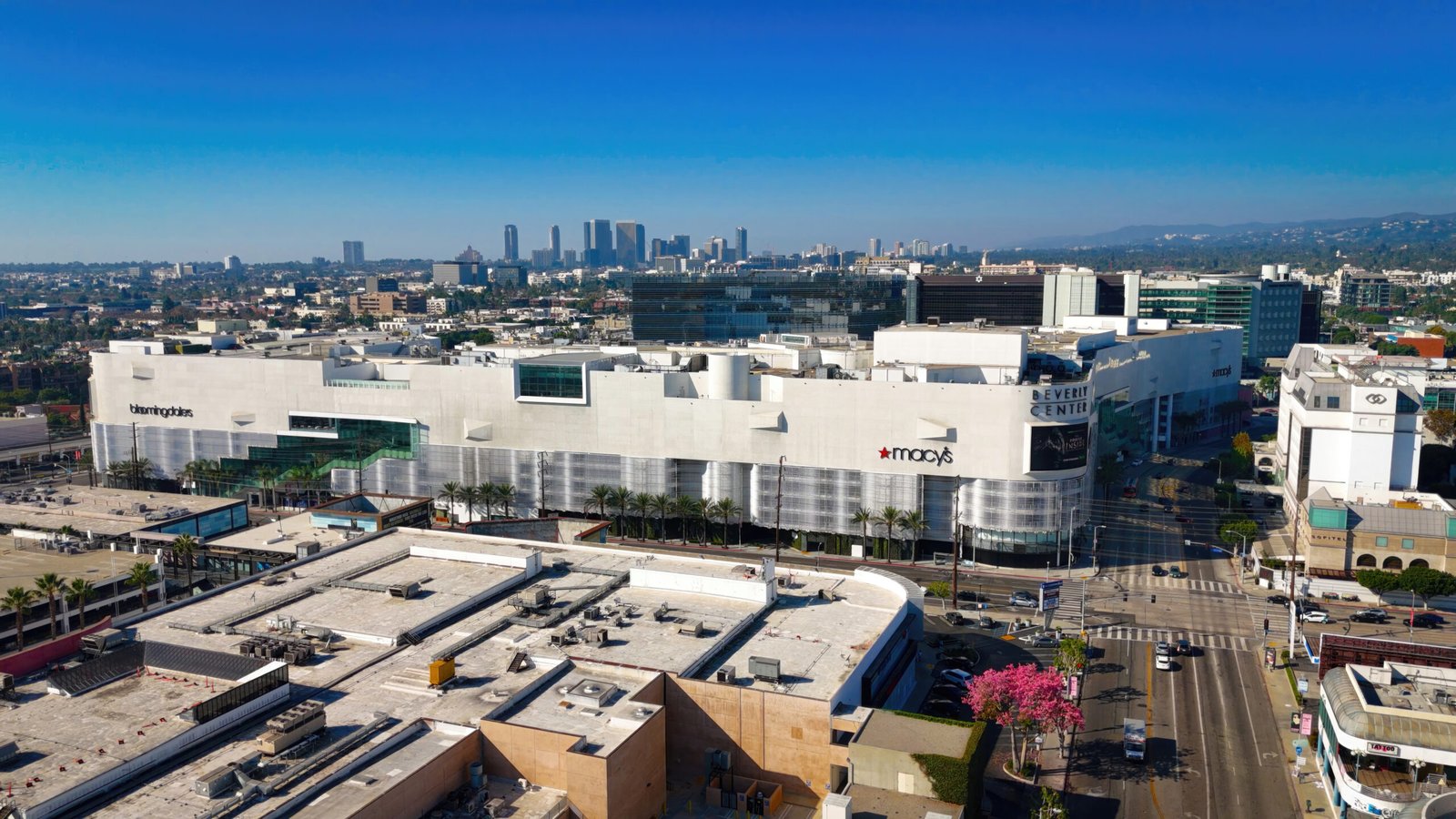
Everyone assumes they know Beverly Hills — Rodeo Drive, the Golden Triangle, a zip code that announces itself. But the stretch of Wilshire near the new La Cienega D Line station is the other Beverly Hills: quieter, more lived-in, a 25-year-old jewelry shop and a 1930s Art Deco theater sharing the block with a farm-to-table restaurant that built its following one seasonal plate at a time. This is a full day here, coffee to dinner, and almost none of it is what you’d expect.

Your Favorite Hidden Gems on the Wilshire Corridor

Everyone thinks they know Wilshire Boulevard — the museums, the traffic, the postcard version. But the new D Line station at Wilshire/La Brea opens onto a stretch most people walk past without a second look: a Charlie Chaplin-built 1928 courtyard building that’s now home to a James Beard-winning pastry chef’s morning bakery counter, an Ice Age fossil site where new specimens are still being pulled from the ground for free, and a legacy Indian restaurant so committed to its red-curtained dining room it feels like a different decade. There’s a reason people who’ve lived here for years keep finding new favorites.

How to Have a Perfect Sunday on the Miracle Mile

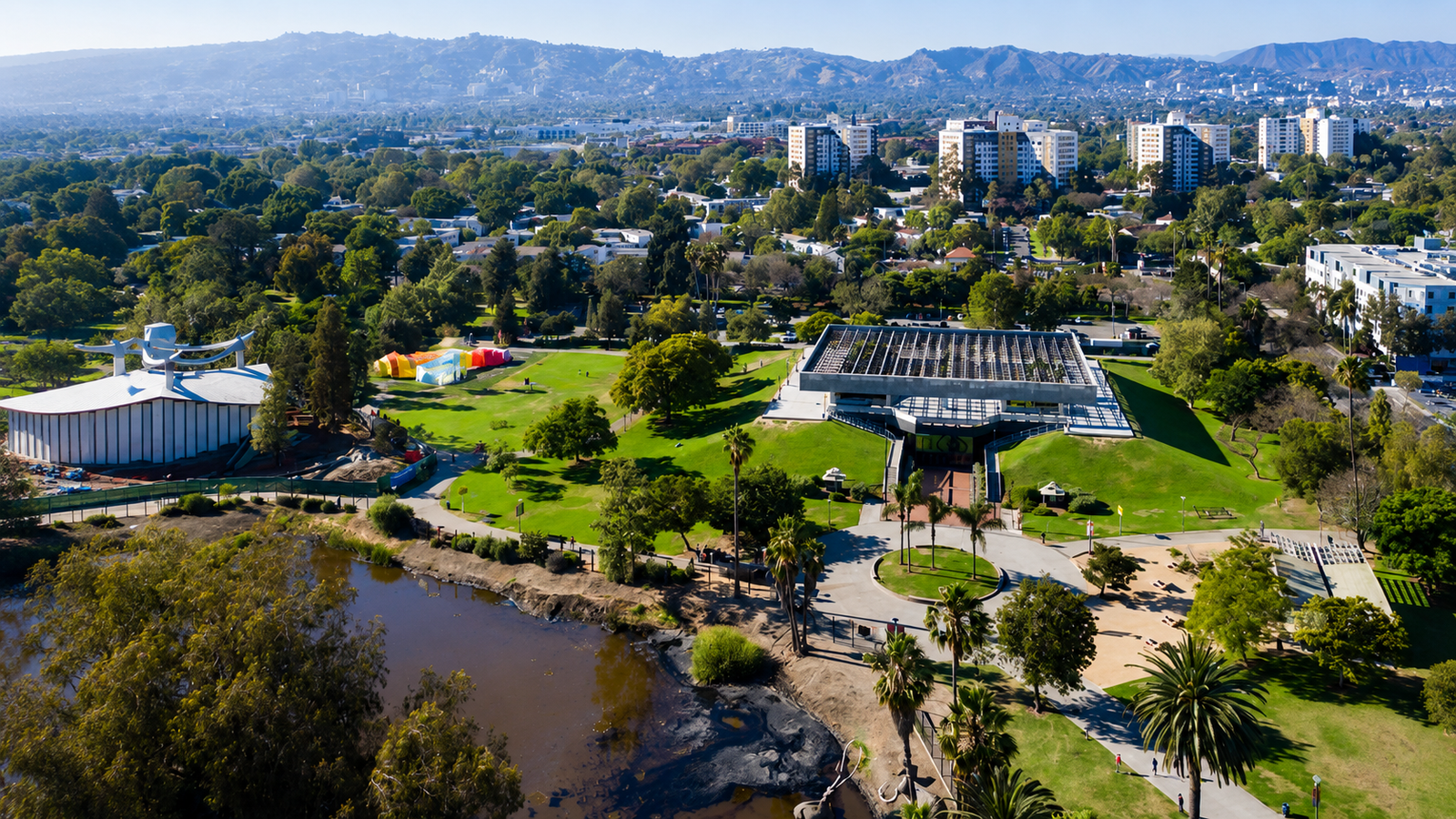
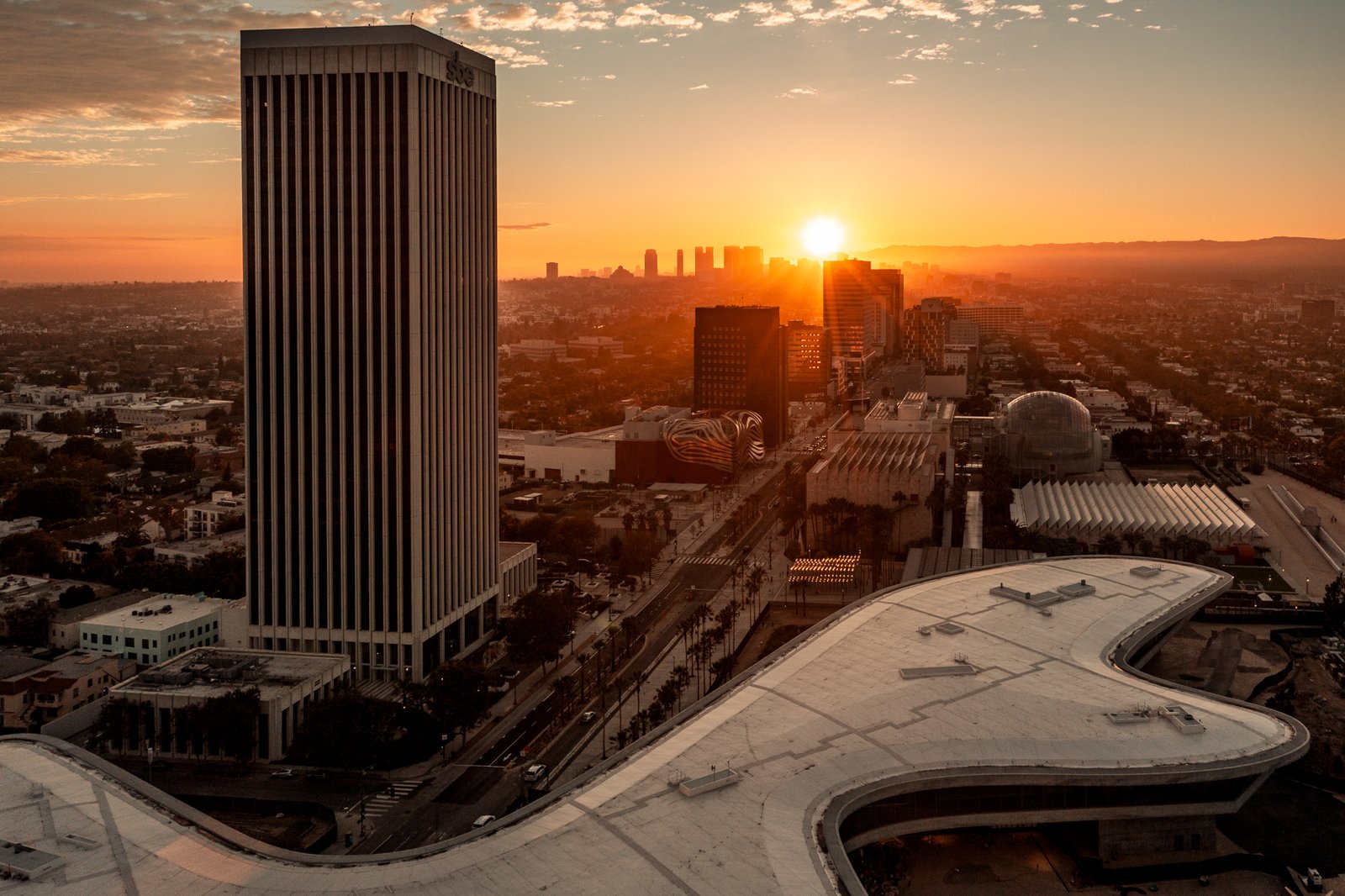
In 1920, developer A.W. Ross bet that Angelenos would drive out to a stretch of Wilshire everyone considered too far from downtown to matter — and won so completely the newspapers named it the Miracle Mile. A century later, those same storefronts have become Museum Row: LACMA’s new $724 million galleries, the Petersen’s Batmobile, and an Italian restaurant that’s served the same veal parmesan since 1963. This is the walking itinerary, coffee to dinner, that makes the most of all of it.

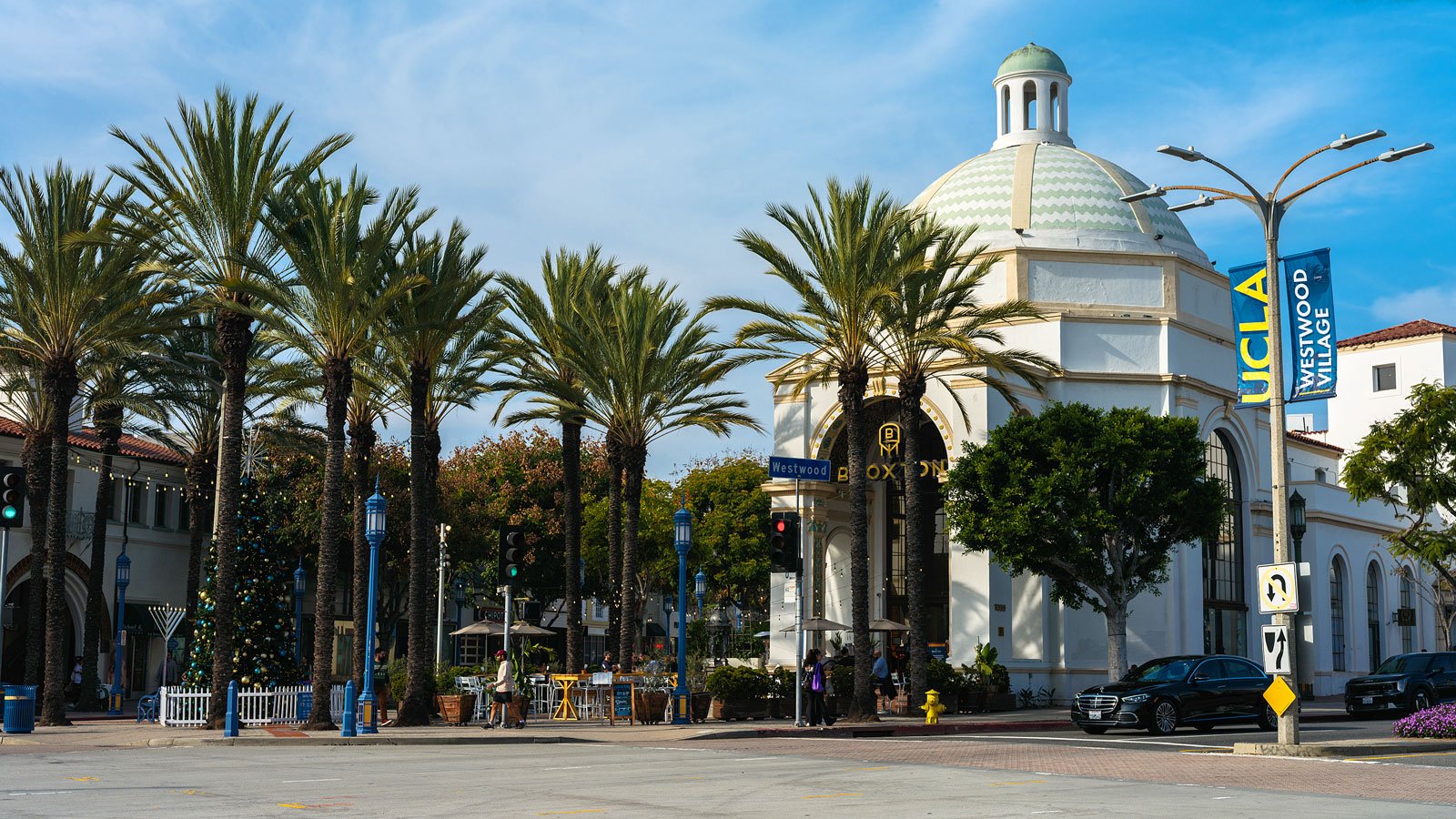
Broxton Plaza in Westwood lined with palm trees.

Looking Back While Moving Forward: Inside Westwood Village

A single antique streetlight on a Westwood sidewalk — cast iron, blue-and-gold UCLA tile at the base — sums up everything this neighborhood is about: old and new, layered instead of replaced. There’s a tennis shop that once sold hunting gear (Arthur Ashe used to dust the moose head over the register), a tailor who’s altered the same families’ clothes for 35 years, and an Art Deco movie palace reopening in 2027. Westwood Village has kept its character even as the D Line’s final stretch prepares to change how people reach it.