
An Art Deco masterpiece
Designed by architect S. Charles Lee and completed in 1930, the Saban Theater, on the corner of Wilshire Boulevard and Hamilton Drive, is as Art Deco as it gets. Its geometric exterior features an eight-story tower that points straight into the skyline, and its stylized silver rotunda is adorned with elaborate seashell, feather, and lotus motifs rendered in silvers, golds, blacks, and blues.
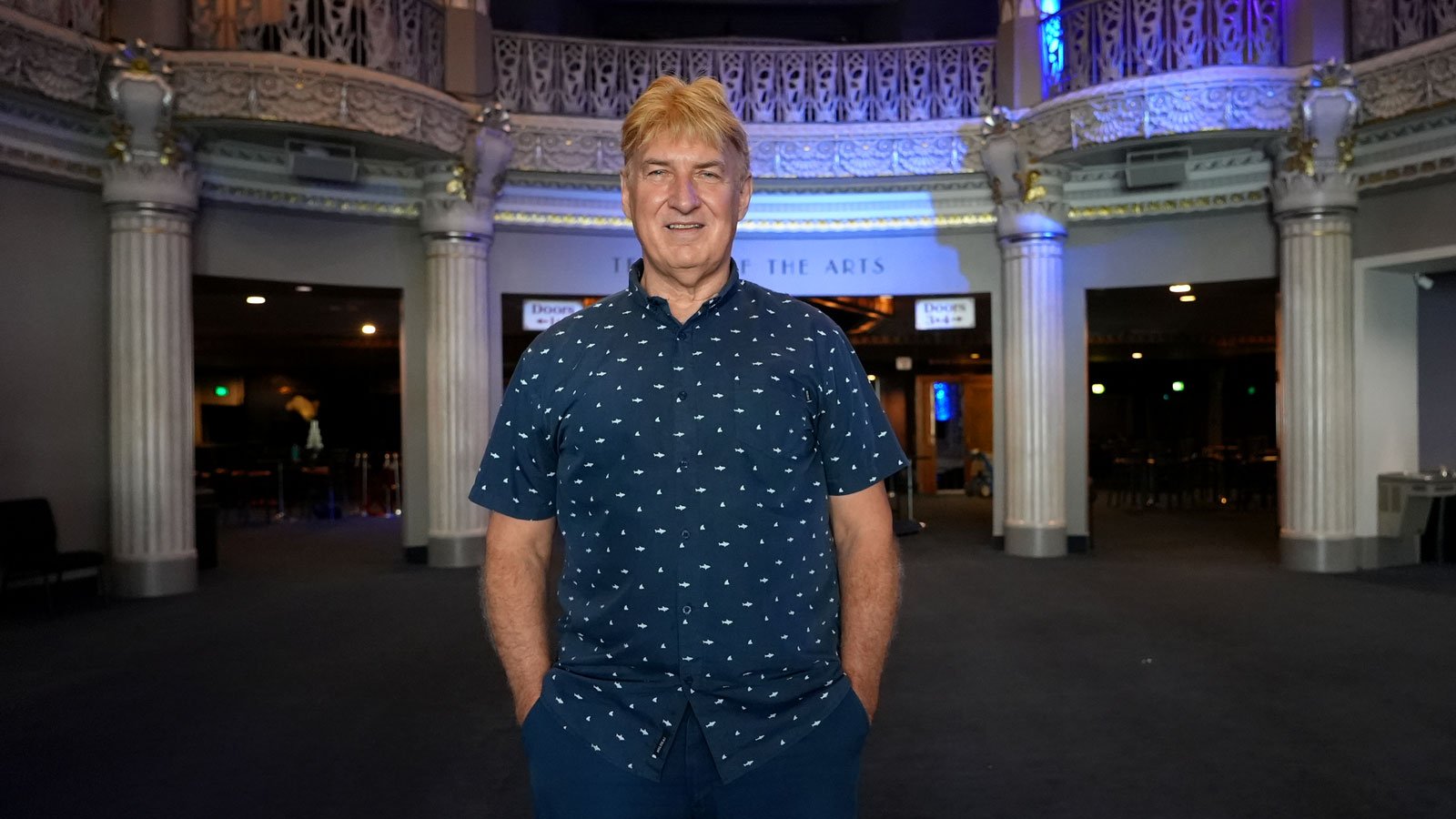
“Wait until you see the proscenium,” VP of Operations Dana Morris tells us, leading us into the theater and gesturing toward the magnificent filigreed structure in front of the curtain.
“This is our money shot.”
A world in one theater
Morris has worked at the Saban Theater for the past ten years, but he’s always been involved in entertainment. He was once a pianist at Knott’s Berry Farm and later at Disneyland — he was even a professional caroler. Eventually, he moved into venue management, where he works directly with performers — for him, it’s the best of both worlds. “We hosted an event for the 90th birthday of Carroll Burdett recently,” he says. “Growing up, she was one of my idols.”

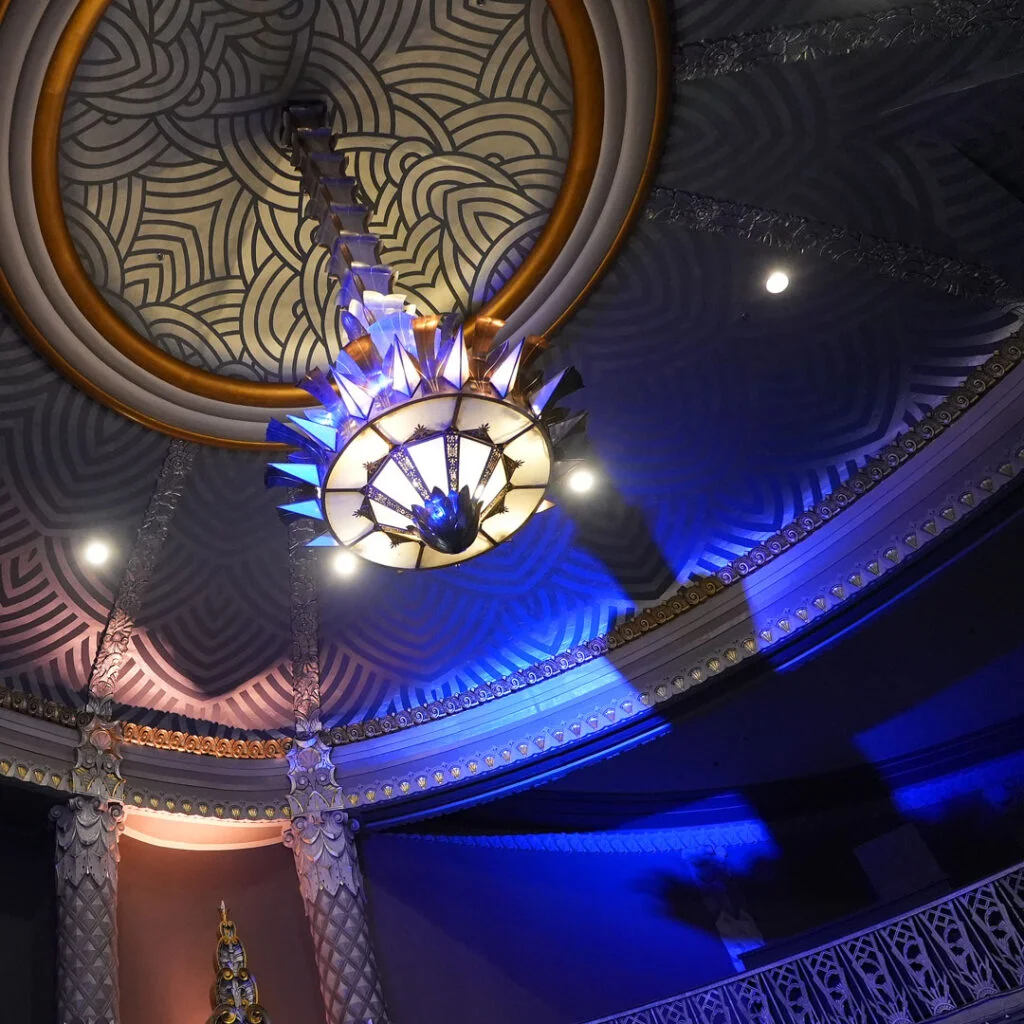
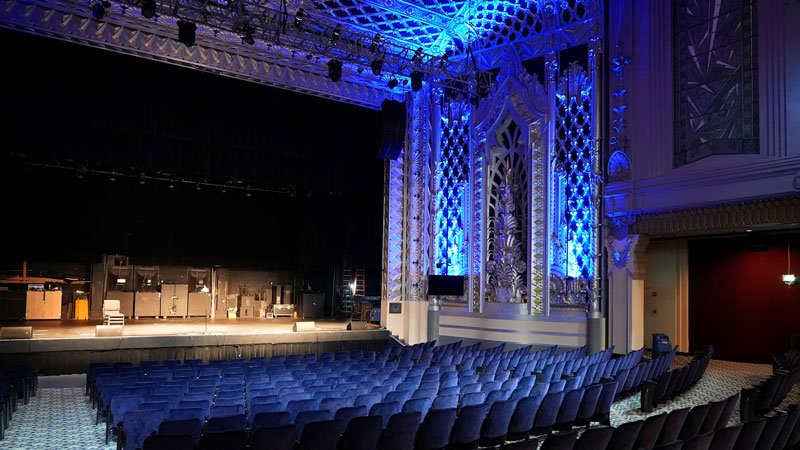
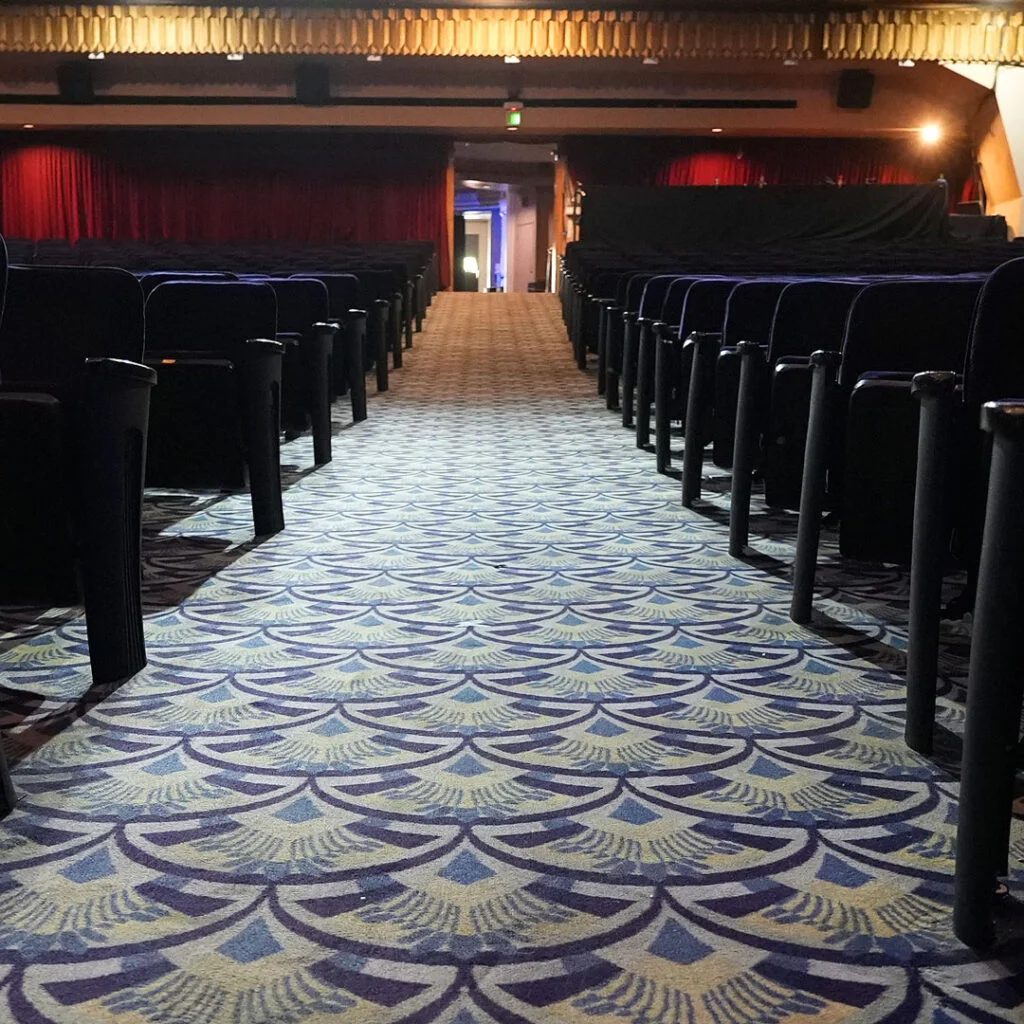
Like many Los Angeles theaters, the Saban has a long and colorful history. It originally opened in 1930 as the Fox Wilshire (the first event there was the premiere of the Marx Brothers’ Animal Crackers). For decades, it was known as a movie palace — the largest on the Westside. Today, it still hosts film premieres and screenings, but its programming has diversified. The Saban Theater now presents everything from book launches and award shows to musical acts from around the world. “It’s a real mix of international crowds, and I’m very proud of that,” Morris says.
Connections on the horizon
Now, Wilshire Boulevard is poised to change again when Section 1 of the D Line Subway Extension opens soon. The new Wilshire/La Cienega Station is only about 150 yards away. Morris hopes the station will bring new audiences to the Saban while making the commute easier for its current clientele. And he should know — he frequently rides Metro to other Los Angeles theaters, which tend to lie in denser areas with limited parking. Beverly Hills is no exception.
“Restaurant Row is just around the corner from us,” he notes. “I’d love to one day see visitors riding Metro to get here, having dinner at one of the nearby restaurants, and taking in a show before heading home.”