
Wilshire Boulevard is one of the most famous streets in Los Angeles, which means most people think they already know it. They know the museums. They know the traffic. They know the corridor the way you know a face you’ve seen a hundred times without ever sitting down for a real conversation.
But Wilshire holds a lot more than its reputation suggests. Between the grand institutions and the familiar landmarks, there are microneighborhoods, newer cultural centers, legacy restaurants, and a few genuinely surprising arrivals that have come quietly over the last few years. The new D Line station at Wilshire/La Brea puts many of these places within easy walking distance. Here is a guide to the ones worth the trip.
Breakfast at a La Brea Landmark
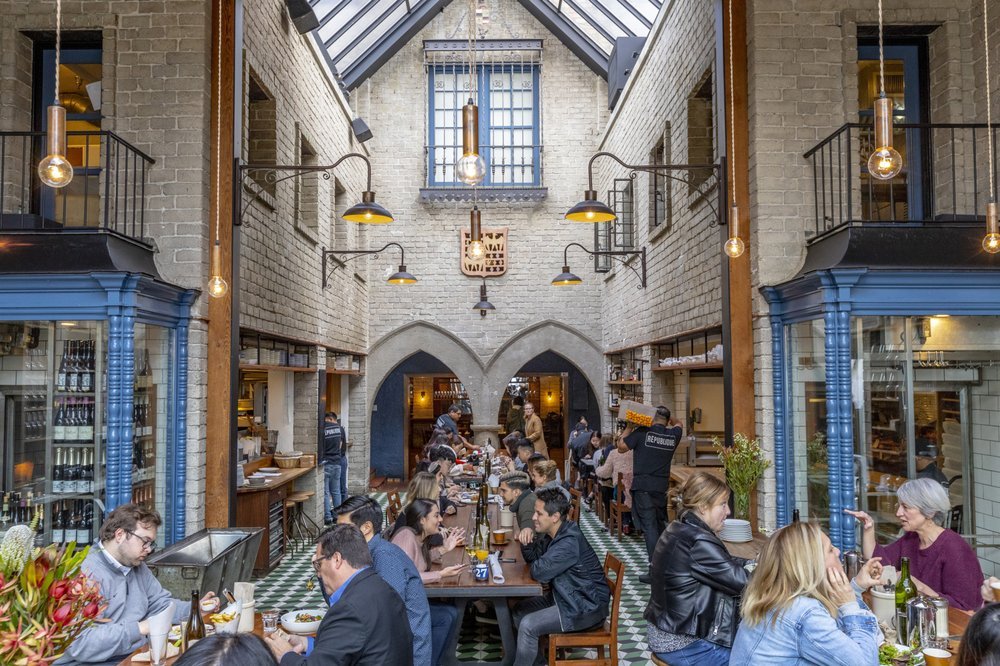
The building at 624 South La Brea Avenue has been a piece of Los Angeles history since Charlie Chaplin built it in 1928 as office space — a low-slung courtyard structure with high ceilings, original tilework, and an ambient quality that newer construction rarely manages to replicate. After decades as offices, retail space, and later the iconic Campanile restaurant, chefs Walter and Margarita Manzke transformed it into République in 2013.
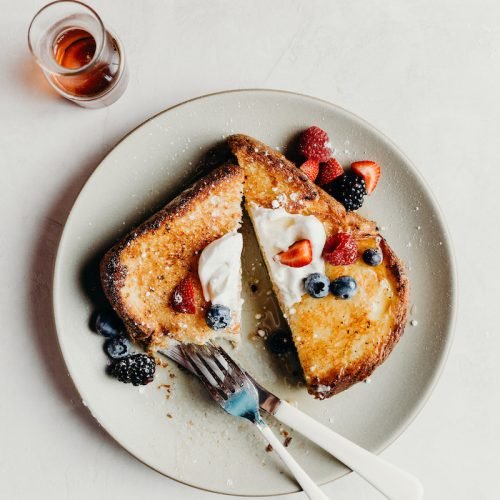
Mornings are when the space feels most alive. Margarita Manzke’s bakery counter — which helped earn her a James Beard Award for Outstanding Pastry Chef or Baker in 2023 — anchors the room with croissants, kouign-amann, fruit danishes, and slices of seasonal tart displayed beneath glass. The breakfast menu moves between comfort and precision: soft-scrambled eggs with smoked salmon, kimchi fried rice topped with a sunny-side egg, ricotta toast layered with market fruit and honey. Coffee arrives quickly, sunlight cuts through the dining room, and for an hour or two, La Brea slows down.
Start at a museum you may not know
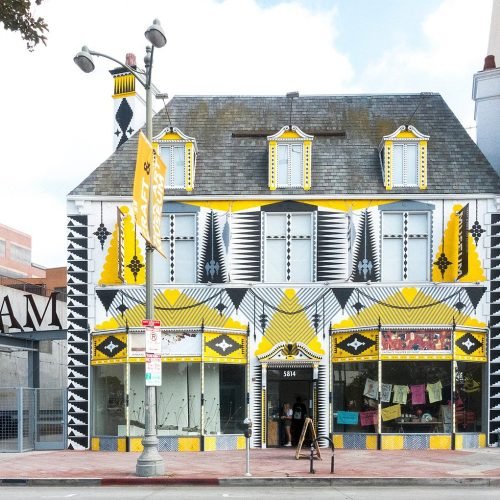
Craft Contemporary has occupied this stretch of Wilshire since 1973, making the case for more than fifty years that craft — textiles, clay, embroidery, paper, jewelry, and decorative arts — belongs in the same conversation as contemporary art. The current exhibition, Tierra, highlights Latinx, Indigenous, and Black artists whose work is deeply connected to the land. It is the kind of show that changes how you move through the rest of your day.
Before you leave, check the programming calendar. Thursday Maker Nights, artist talks, and workshops run throughout the year. Soon, Craft Contemporary will also bring programming directly to the D Line station plazas — the kind of thing that makes a transit system feel connected to the neighborhood it serves.
Go back 50,000 years — for free until July 7
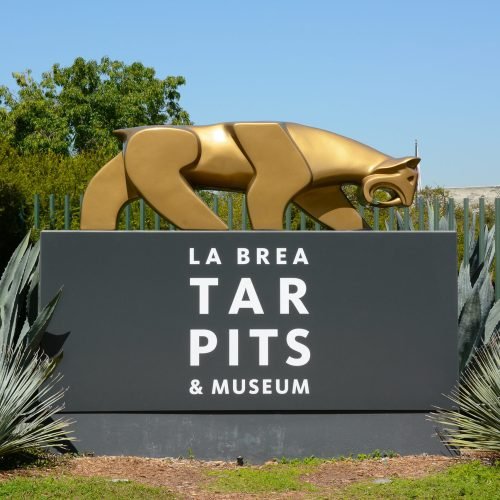
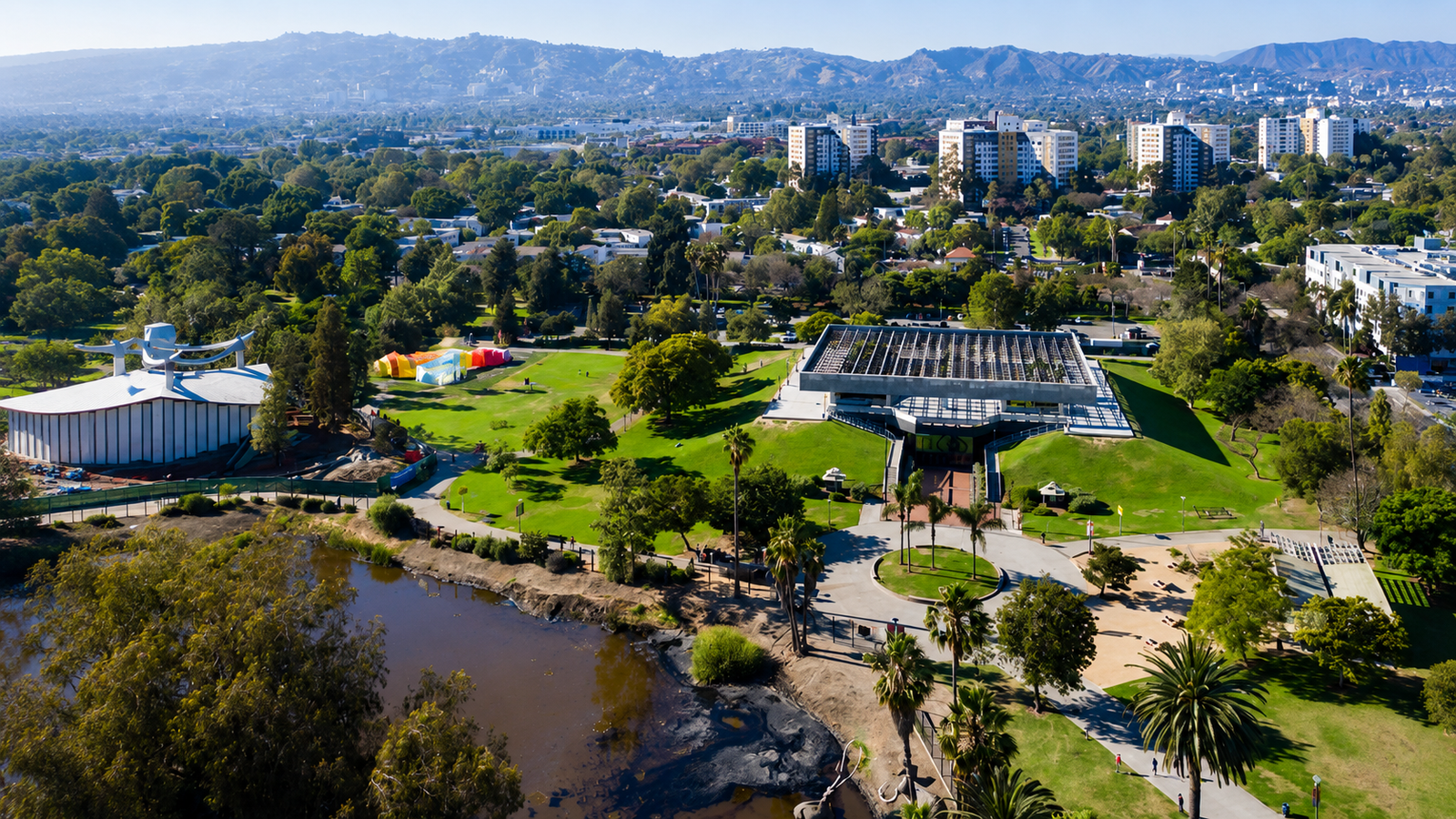
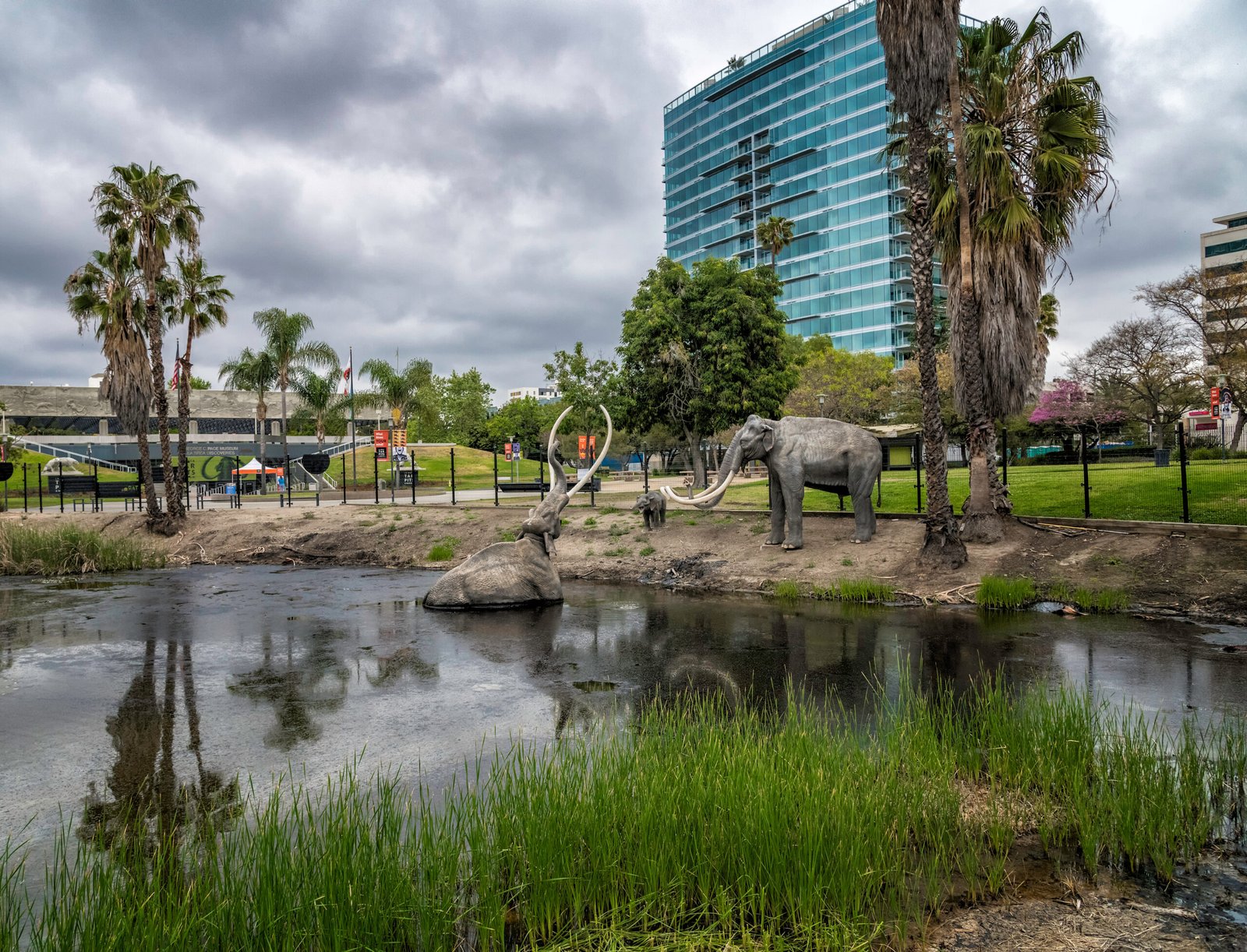
The La Brea Tar Pits exist because of geology: natural asphalt seeps up through fractures in the silty sands beneath what is now the middle of Los Angeles, and for tens of thousands of years, animals and plants that wandered too close got trapped in it. The result is one of the most remarkable paleontological sites in the world — active excavations still produce new specimens — and a window into the Ice Age that feels genuinely surreal in the middle of a city that moves so fast.
The grounds are free to walk, and the interpretive signage traces the site’s more recent history as a center of Los Angeles oil production — a connection most visitors don’t expect. The George C. Page Museum inside houses fossils up close: dire wolves, saber-toothed cats, mastodons. One planning note: the museum is entering a renovation period beginning on July 7, so check ahead before you visit.
Work up a sweat — and make some new friends
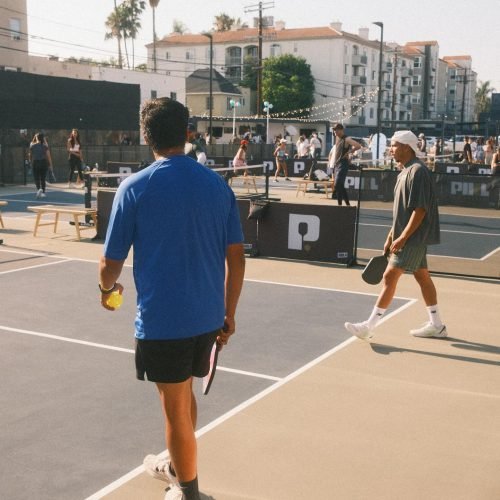
PIKL LA opened its doors in 2025, which makes it one of the newest arrivals on the corridor and, depending on your current relationship with pickleball, potentially the most consequential. Six courts — two with cushioned surfaces, all lit for evening play — plus a pro shop, private lessons, and drop-in classes for every age and skill level. Monthly memberships are available for those who discover they can’t stop, which is most people. PIKL is also planning to bring courts to the Wilshire/La Brea station plaza as part of a Metro station activation pilot.
Dinner that feels like old Wilshire
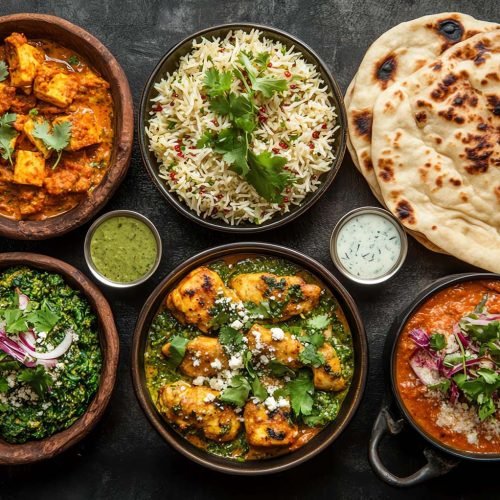
India’s Tandoori has been on Wilshire long enough to have become part of the furniture in the best possible sense — a legacy spot two blocks from the station with reasonable prices, generous portions, and a dining room that transports you the moment you walk in. Red curtains, tapestries, chandeliers: the room commits to the mood, and the food delivers on it. The alu samosa arrives crispy and dense, best dipped in tamarind chutney. The lamb biryani is the kind of dish that earns its own regular slot in someone’s week. The chicken tandoori comes on a smoking-hot plate. The kulfi — frozen milk with cardamom and pistachio — is the right way to end it. India’s Tandoori also does excellent takeout in a stretch of Wilshire without many late-night options.
Wilshire Boulevard has always been more than the sum of its famous parts. The new stations make it easier than ever to find what lives between the landmarks — the smaller institutions, the legacy restaurants, the newcomers still finding their footing. This is a guide to some of them. The rest is yours to discover.